
Dermatology

Dr Linda Calabresi
Clinical Articles iconClinical Articles
Prof Rodney Sinclair
Podcasts iconPodcasts
Prof Rodney Sinclair
Podcasts iconPodcasts
Prof Rodney Sinclair
Podcasts iconPodcasts
Prof Rodney Sinclair
Podcasts iconPodcasts
Prof Rodney Sinclair
Podcasts iconPodcasts
Prof Rodney Sinclair
Podcasts iconPodcasts
Prof Rodney Sinclair
Podcasts iconPodcasts
Dr Linda Calabresi
Clinical Articles iconClinical Articles
Dr Linda Calabresi
Clinical Articles iconClinical Articles

It’s been a controversial issue but now new evidence supports the theory that acne is made worse by sugary and fatty foods.

Dr Linda Calabresi
Clinical Articles iconClinical Articles

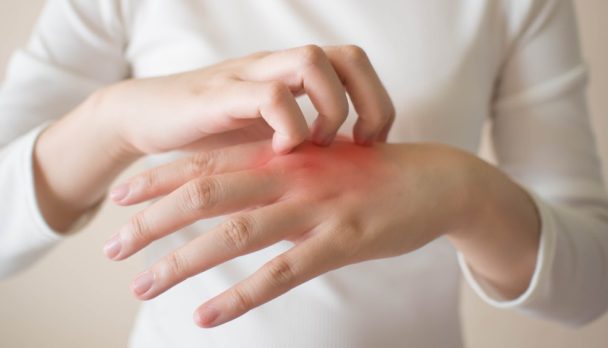
The number one classic feature of atopic eczema is itch, even in little babies, says Dr Anne Halbert, consultant dermatologist at Princess Margaret Hospital in Perth. “It’s itchy right from the very start,” she says.

Dr Karl Baumgart
Clinical Articles iconClinical Articles

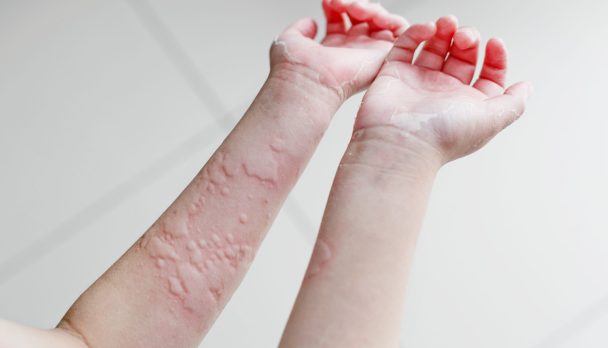
Urticarial lesions are usually intensely pruritic welts that can be generalised or localised. They normally last less than 24 hours in the one place, being migratory, and leave no residual marks on the skin. Angioedema lesions may be uncomfortable or sometimes painful and occur in the deeper dermis or mucosa and may take 72 hours to resolve. Acute urticaria may be allergic, mediated by inappropriate IgE responses to food allergens. It usually occurs rapidly after exposure to the causative allergen: within 30-60 minutes, up to six hours and rarely eight hours. The most common allergens are either ingested (food or oral drugs) or parenteral (bee or wasp stings or drugs, for example, penicillin). Aeroallergens are not usually the cause of allergic urticaria except when due to grains (in bakers) and latex. However, people who are allergic to grass pollen may develop localised urticaria on contact, for example, when sitting on the grass.